
 By Callum
 Understanding the Family Law Process
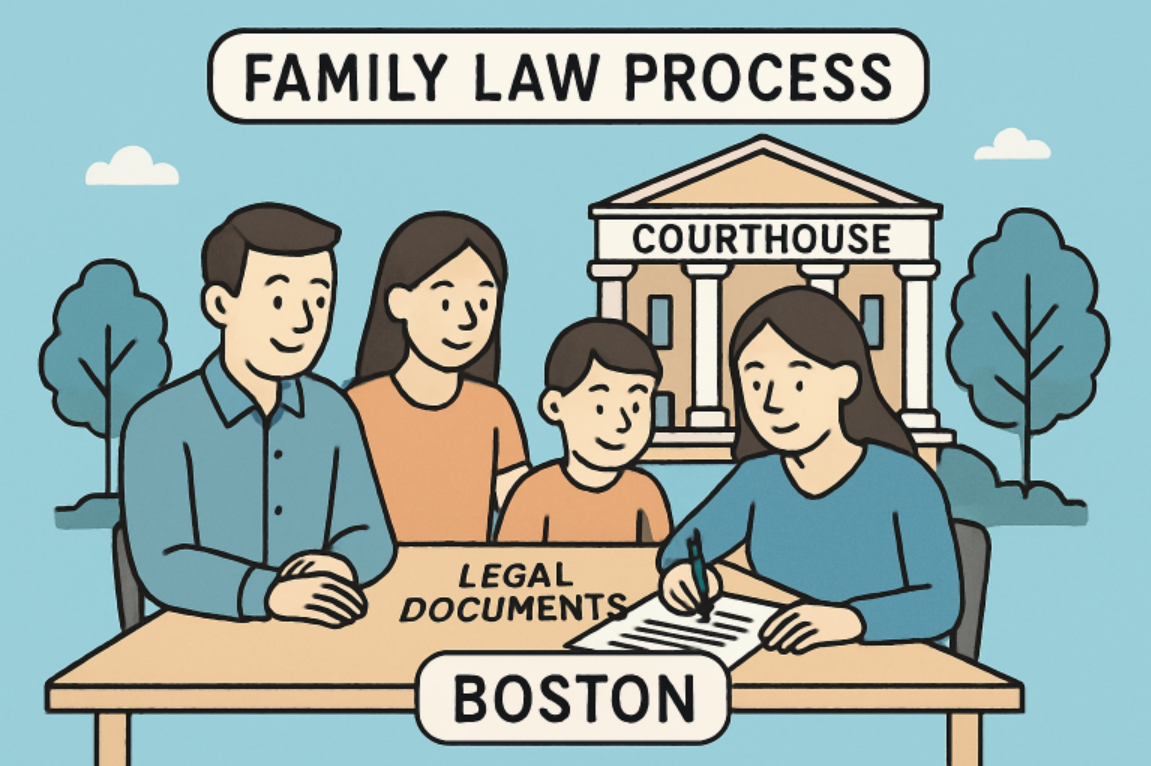
Entering a family law case in Boston can feel overwhelming, especially if it’s your first time navigating the legal system. Whether you’re dealing with divorce, custody, or support issues, knowing the general steps involved helps you move forward with more confidence. Connecting with a reputable Boston family lawyer early in the process is a smart way to ensure that you understand your rights and receive necessary guidance.
The family law journey often begins with filing a complaint and serving the other party with official notice. Next, the recipient has the opportunity to respond. Discovery—where both sides exchange documentation and information—follows, leading to negotiation or possible mediation sessions. If the parties cannot reach an agreement, the case proceeds to court for trial. Once the trial concludes, the court issues a final judgment outlining the resolution to each legal issue involved.
Family law cases often involve complex and emotionally charged concerns. Each stage of the process demands careful attention to deadlines, court etiquette, and legal requirements. The more informed and prepared you are, the more empowered you’ll feel to make decisions that serve your family’s best interests.
Understanding each phase, the expectations on both sides, and the court’s perspective can help you avoid unnecessary stress and streamline the process, especially in high-stakes disputes involving children or significant assets.
Common Issues Addressed in Family Law Cases
Boston family law courts routinely handle a range of cases. The most common types include:
- Divorce: The legal end to a marriage, which addresses property division, alimony, and related concerns.
- Child Custody and Parenting Time: Determining where children will live, visitation schedules, and how parental decisions are shared.
- Child Support: Legal decisions about financial contributions for children’s needs.
- Alimony (Spousal Support): Ongoing support one spouse may owe to the other following divorce.
- Property Division: The equitable distribution of marital assets and debts, as outlined under Massachusetts law.
Every family is different, and the Massachusetts Probate and Family Court seeks solutions tailored to the unique needs of each case. Clear documentation and honest disclosure are essential for fair outcomes. For more information about the Massachusetts Probate and Family Court process, visit Mass.gov’s official Probate and Family Court page.
Legal Representation and Resources
The expertise of a skilled family law attorney can significantly improve your outcome by managing complex filings, presenting your case effectively, and protecting your legal interests. While legal representation is not required, navigating a Boston family law case without an attorney may be risky, particularly when children, significant assets, or heated disputes are involved.
Massachusetts provides several resources to help families better understand their rights and responsibilities, including the Massachusetts Law About Child Custody and Parenting Time guide.
Preparing for Court Proceedings
Careful preparation is essential for every phase of your case. Start by gathering financial records, email or text logs, pay stubs, and any relevant contracts or agreements. Such evidence can strengthen your case, clarify facts, and streamline the court’s assessment.
- Documentation: Assemble tax returns, bank statements, and communications relevant to custody or finances.
- Understand Court Etiquette: Courtrooms have unspoken rules regarding behavior and attire. Dress professionally, arrive on time, and address the judge respectfully.
- Attorney Consultation: Meet with your lawyer to discuss your goals, possible questions, and how best to present your side.
Emotional Considerations
Family law cases can be emotionally exhausting. High conflict, uncertainty about children’s futures, and ongoing disputes all take a toll. It is essential to seek emotional support from friends, family, or a licensed counselor. Being mindful of your well-being will help you manage stress and make more informed decisions, especially as proceedings evolve.
The Psychology Today Family Therapy resource provides further insight into the benefits of seeking professional support during family law disputes.
Post-Judgment Modifications
Life changes after a family law judgment—people move, incomes fluctuate, or children’s needs shift. Massachusetts law allows you to petition the court for changes (modifications) to your original court order when circumstances materially change. This can involve recalculating child support, adjusting parenting time, or establishing new custodial arrangements. To learn more, review the Massachusetts Law About Modifications of Family Law Judgments and Orders guide.
Alternative Dispute Resolution
Resolving family disputes outside of court can save time and minimize tension. Mediation, collaborative law, and arbitration are common alternative dispute resolution paths. These options empower both parties to negotiate their own terms, leading to potentially faster and less adversarial outcomes, while sparing children ongoing conflict and shielding families from prolonged litigation costs.
Staying Informed
Massachusetts family law evolves as courts clarify new legal standards and as state laws are updated. Attending reputable legal forums, such as the annual Family Court Judicial Forum, or regularly reviewing updates from prominent legal publications, like Nolo’s Guide to Massachusetts Divorce Laws, keeps you prepared to make informed choices.
The more you know about the process, your options, and available resources, the better equipped you’ll be to protect yourself and your loved ones every step of the way.
 Uzair Abbasi