
 By Callum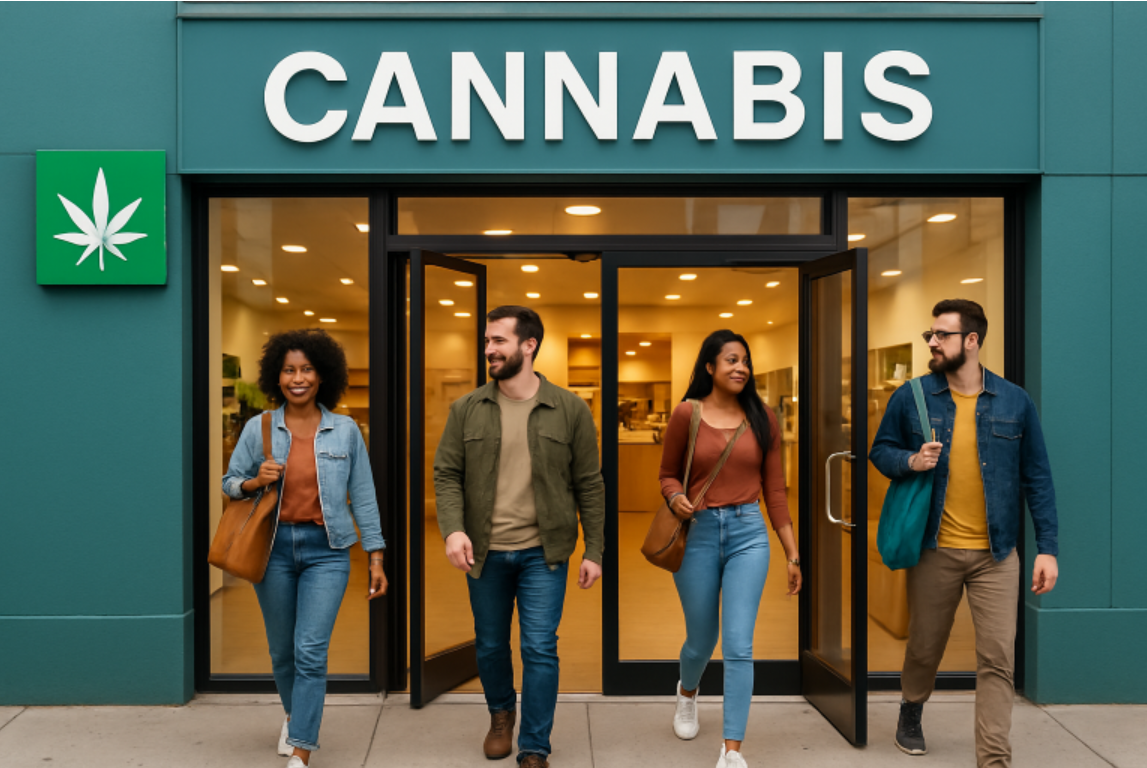
Introduction
The cannabis retail industry is undergoing a remarkable evolution. Across the United States, dispensaries are opening at a rapid pace, reshaping the landscape of local economies and communities. This dynamic growth is the result of several intersecting trends, including progressive legislation, advances in retail technology, and shifting consumer values. An example of this transformation can be observed at your local South Jersey dispensary, where modern retailing meets the evolving needs of consumers.
As public perceptions shift and more states move toward legalization, dispensary storefronts are emerging from niche locations into mainstream shopping corridors. Shoppers are greeted with upscale experiences, expansive product menus, and a welcoming environment that caters to both new and seasoned customers. These trends collectively underscore the changing face of cannabis, positioning dispensaries as vital, trusted elements in health, wellness, and recreation.
Expansion of Legalization
The accelerating expansion of cannabis legalization remains perhaps the most significant driver of dispensary popularity. Numerous states have adopted recreational cannabis laws in recent years, and the effect on market growth has been dramatic. For example, Minnesota has witnessed a significant boom—by December 2025, the state reported 41 active dispensaries, with over 1,100 businesses awaiting approval to begin cannabis operations. Other states that entered the market early, such as Colorado and California, continue to refine their regulatory frameworks to strike a balance between growth, safety, and community needs.
As more states follow suit, dispensary availability is no longer restricted to urban centers. Suburban and rural communities, too, are experiencing the economic and social benefits—such as tax revenues, job creation, and expanded access to tested, regulated products.
Emergence of Social Consumption Lounges
The development of cannabis social consumption lounges is one of the most forward-thinking evolutions within the retail space. These lounges, now regulated in states like Massachusetts, provide adults with safe, community-driven environments to enjoy cannabis—mirroring the social experience of a coffee shop or wine bar, but without alcohol or tobacco. By moving beyond simple point-of-sale transactions, these venues enhance the dispensary experience, foster education, and support social normalization of responsible consumption.
This trend is expected to spread as more states recognize the importance of social infrastructure for cannabis consumers, especially in markets aiming to reduce illicit use and promote safe practices.
Shifting Consumer Demographics
Alongside broader legalization, dispensaries are witnessing a rapid evolution of their customer bases. The rise of younger female consumers is reshaping both product offerings and marketing strategies. Women aged 19 to 30 now lead men in cannabis use for the first time, and retailers are responding by expanding menus beyond traditional flower—adding edibles, tinctures, topicals, beverages, and wellness-oriented products. Digital platforms and industry surveys confirm that women now account for the majority of users exploring new product categories.
These demographic shifts are also fostering more inclusive retail spaces, where education and customer support take center stage. As dispensaries diversify, their reach extends into wellness, beauty, and lifestyle markets, broadening their appeal and accessibility.
Technological Integration
Modern dispensaries are leveraging technology to create highly personalized and efficient shopping experiences. Digital advancements—such as online menus, touchscreen kiosks, automated check-in stations, and personalized recommendation engines—make navigating product options easier for customers and allow for tailored suggestions. Surveys indicate that a vast majority of cannabis shoppers value these conveniences and are more likely to return to businesses that offer them.
Technology is also being used behind the scenes for compliance, inventory management, and marketing campaigns, ultimately streamlining operations and supporting responsible retailing.
Focus on Sustainability
Sustainability is increasingly at the heart of cannabis retail operations. Consumers are demanding greener practices, driving dispensaries to adopt biodegradable packaging, renewable materials, and compostable shopping bags. Leading brands showcase their environmental commitment with recyclable and low-impact alternatives, aligning with the priorities of a customer base that is willing to pay more for sustainable products. This eco-conscious approach is setting new industry standards and shaping the expectations for future cannabis businesses.
Sustainability efforts are not only attractive to customers but also reinforce dispensaries’ reputations as responsible and community-oriented businesses.
Economic Impact and Market Growth
The economic importance of cannabis dispensaries continues to expand alongside rising consumer acceptance and broader legalization efforts. In Maine, for example, recreational marijuana sales climbed to nearly $159 million in 2022, representing almost double the total from the prior year. This rapid growth mirrors trends seen across other legal states, where dispensaries contribute substantial tax revenue, stimulate local economies, and generate thousands of new jobs. Beyond direct sales, the industry attracts outside investment and supports related sectors, including real estate, security, and logistics. As the market evolves, dispensaries are doing more than meeting consumer demand—they are influencing pricing, product innovation, and public perception, helping position cannabis as a legitimate and enduring mainstream industry nationwide.
Conclusion
Cannabis dispensaries have become pivotal hubs within an evolving market shaped by progressive legislation, expanding consumer segments, sustainability priorities, and rapid technological advancement. As legalization broadens and public perception continues to mature, dispensaries must adapt to meet higher expectations for transparency, education, and personalization. Embracing inclusive practices enables operators to serve diverse communities, while digital tools like online ordering, data analytics, and loyalty platforms streamline operations and enhance customer convenience. Sustainability initiatives, from eco-friendly packaging to responsible sourcing, further strengthen brand trust and long-term viability. Equally important is authentic community engagement through education, partnerships, and advocacy. Dispensaries that remain flexible and forward-thinking, aligning innovation with responsibility, will be best positioned to thrive. Collectively, these trends are redefining the retail cannabis experience and setting a sophisticated standard.