
 By Callum
 Rising Adoption of Residential Solar Energy
The residential solar energy sector is undergoing a remarkable transformation. By 2050, projections suggest that rooftop solar panels could be installed in nearly half of all U.S. households. This upward trend is primarily fueled by a heightened public awareness of environmental issues and a collective desire for energy independence. Many families are also seeking relief from rising utility rates, making solar a more attractive and practical solution in both urban and suburban neighborhoods. Those considering Solar Installation are joining a national movement toward sustainability.
The rapid adoption of solar energy is observed across diverse regions in the U.S., with states such as California, Texas, Florida, and New York leading the way due to high electricity costs and abundant sunlight. As solar technology improves and becomes more cost-effective, it is expected to shift from a niche choice to a common feature in American energy. The combination of cost savings and environmental benefits is driving interest among homeowners, creating opportunities for broader access to clean energy across all income levels. Increased demand and supportive policies are pivotal in expanding residential solar installations.
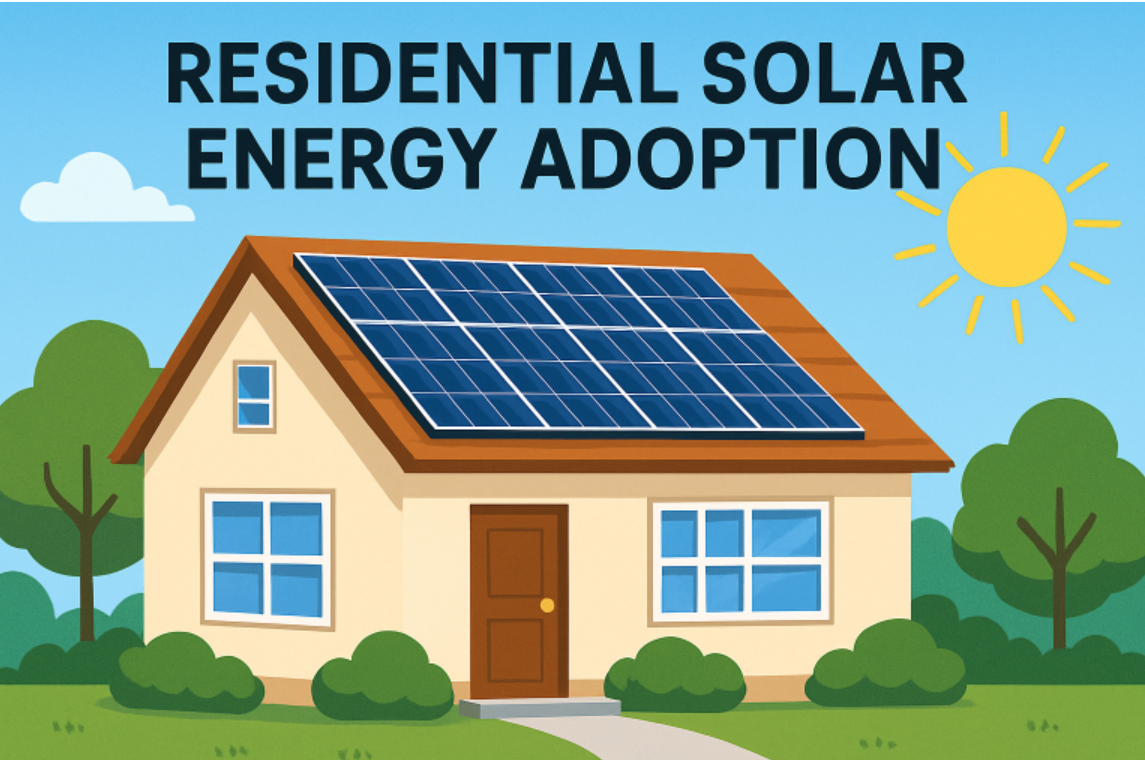
For many homeowners, the combination of cost savings, improved technology, and environmental concerns makes residential solar an appealing investment. As solar becomes more affordable, it expands opportunities for families at all income levels to benefit from clean energy at home.
Technological Advancements in Solar Energy
Breakthroughs in solar panel design and battery storage have dramatically improved the efficiency and reliability of home solar systems. High-efficiency photovoltaic (PV) panels are now capable of converting more sunlight into energy than ever before, even in variable weather conditions. As a result, solar systems today require less roof space to generate the same—or greater—amounts of energy compared to systems from just a decade ago.
Energy storage technology, such as lithium-ion batteries, now allows homeowners to store excess power generated during the day for use after sunset or during power outages. This development has been a game-changer for those seeking true energy independence. The rise of all-in-one home energy management systems means users can not only produce, store, and use their own clean energy but also monitor and optimize consumption in real-time.
Additionally, microinverters and smart inverters have made it easier to maximize output even when some panels are shaded, thereby further improving the practicality and reliability of home solar systems. These innovations are attracting an even broader segment of homeowners to invest in solar as a viable long-term energy source. For ongoing trends in solar efficiency and updates in energy storage markets, Reuters provides excellent coverage.
Government Incentives and Policy Changes
Public policy continues to play a pivotal role in expanding access to residential solar energy. The federal government’s Inflation Reduction Act (IRA) provides homeowners with a 30% tax credit on the total cost of a solar installation through at least 2032. This credit can bring solar within reach for many families who might have otherwise found upfront costs prohibitive.
States and local governments supplement these federal incentives with their own rebates, grants, and net metering regulations, which enable homeowners to earn credits for the excess energy they send back to the grid. These layered incentives can significantly offset installation expenses—sometimes reducing the payback period for a solar system to just a few years.
Adjusting policies to address grid reliability and battery storage is also helping support widespread adoption. For example, some regions now offer additional credits or rebates for combining solar with energy storage systems. Such initiatives not only boost the appeal of residential solar but also enhance the stability and resilience of the broader energy grid. For detailed breakdowns of available solar policies by state, Energy.gov remains a valuable resource.
Community Solar Initiatives
Not every household has access to an adequate rooftop for solar panel installation, due to factors such as shading, roof orientation, or property ownership status. Community solar programs offer an ideal solution, enabling multiple households to benefit from a single, shared solar array. Participants in these programs can offset their individual electricity use by subscribing to a portion of the community system’s output, often with cost savings and no need for on-site equipment.
These shared solar programs are experiencing rapid growth. As of 2025, 24 states and Washington, D.C., have formal policies supporting community solar, which opens up renewable energy access to millions of renters, condo owners, and those living in multi-family dwellings. Many initiatives also prioritize low- and moderate-income residents, increasing energy equity within communities. Community solar unlocks opportunities for broader participation in clean energy adoption beyond traditional homeownership models. For more insights, Time examines how these models accelerate the shift to renewables for all.
Integration with Smart Home Technologies
The convergence of smart home devices and residential solar energy systems is revolutionizing the way families manage their energy usage. Home automation platforms enable users to monitor, schedule, and optimize when appliances draw power, thereby maximizing the use of self-generated solar electricity and reducing reliance on grid power. Integration with electric vehicle (EV) charging and intelligent thermostats enables even greater savings and efficiency.
Smart inverters, real-time energy apps, and predictive analytics all work together to provide homeowners with detailed reports on production, consumption, and savings. As more households adopt these solutions, the benefits of solar transcend mere cost reduction, empowering individuals to play an active role in the sustainable future of their own families and communities.
Economic and Environmental Benefits
Investing in residential solar systems offers compelling advantages for both household budgets and the planet. On average, U.S. homeowners save thousands of dollars over the life of their solar panels, while net metering and incentive programs can generate additional financial returns. Reduced monthly energy costs are matched by higher long-term property values, making solar attractive from both an investment and sustainability perspective.
Widespread solar adoption cuts fossil fuel use and lowers greenhouse gas emissions, supporting climate goals at the local and national levels. As renewable energy sources like solar grow, they help create a cleaner energy grid—benefiting not just individual households, but entire regions and ecosystems. The expansion of home solar continues to be a critical factor in reducing America’s carbon footprint and advancing towards energy independence.
Challenges and Considerations
Though the benefits of residential solar are substantial, there are also important considerations to address. Upfront costs remain a barrier, despite potential savings and incentives being available. The suitability of each rooftop for solar installation depends on factors such as shade, roof age, and orientation. Local permitting, zoning, and homeowners association rules can influence timelines and feasibility.
Maintenance requirements are generally minimal but not negligible, and panel lifespans typically range from 25 to 30 years. Homeowners should carefully evaluate product warranties, installer credentials, and financing options before making a decision. Consulting with reputable, experienced professionals ensures that each system is optimized for both immediate value and long-term reliability.
Conclusion
The future of residential solar energy systems is bright. Driven by advancing technology, forward-thinking policies, and heightened consumer demand, home solar is becoming a cornerstone of the nation’s clean energy transition. As adoption grows and costs decline, residential solar power will play a pivotal role in powering communities—and protecting the planet—for generations to come.