
 By Callum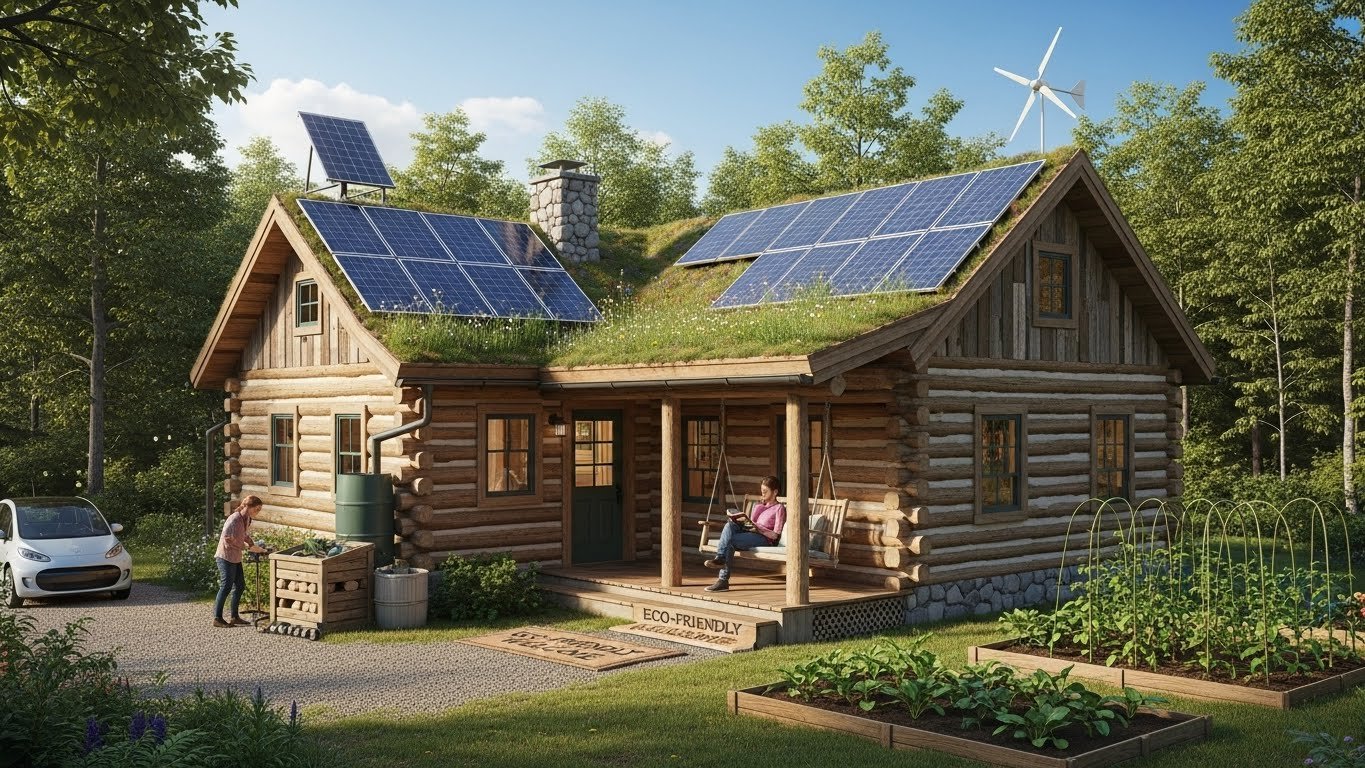
Log homes blend timeless appeal with modern expectations for environmental stewardship. As eco-consciousness grows, more homeowners are exploring ways to transform their cozy cabins into showcases of green living. From construction materials to daily living habits, there are many opportunities for log homeowners to reduce their ecological impact—without sacrificing comfort or character. Discover how log homes, especially those crafted by Frontier Log Homes, can offer an environmentally responsible lifestyle while connecting residents to the natural world.
Sustainable log home living not only honors the rugged tradition of building with wood but also leverages innovative design and advanced technology to meet the rigorous standards of today’s environmental values. By integrating renewable resources, recycled materials, and water- and energy-saving solutions, log homes can play a central role in eco-friendly living.
Renewable Resources in Log Home Construction
Wood, the primary material for log homes, is a renewable, biodegradable resource, and—when managed sustainably—one of the most eco-friendly building materials available. Responsible forestry ensures that harvested logs can be regrown for future use while supporting local ecosystems, wildlife, and communities. Many builders source timber from certified forests that have replanting programs in place to promote biodiversity and long-term forest health. According to the Natural Resources Defense Council, responsible wood sourcing is crucial to mitigating climate change by preserving forests’ ability to absorb carbon dioxide.
Besides environmental advantages, wood construction often boasts lower embodied energy compared to steel or concrete. Additionally, wood stores carbon absorbed during the tree’s growth phase—another reason it’s at the forefront of green architecture.
Incorporating Recycled Materials
Recycled and reclaimed materials add both sustainability and special charm to log homes. Old barn wood, salvaged timbers, and antique fixtures breathe new life into each structure while reducing waste. Reclaimed wood is particularly popular for floors and beams, offering a distinct, weathered aesthetic that new lumber cannot replicate. Metals rescued from deconstructed buildings also make excellent options for roofing and decorative hardware, embodying the concept of resourcefulness and creativity in green design.
Energy Efficiency Through Design
Thoughtful architectural design can dramatically increase the energy efficiency of log homes. The thermal mass of solid log walls offers excellent insulation, helping to stabilize indoor temperatures by storing heat and slowly releasing it as temperatures fluctuate. Using strategic home orientation, energy-efficient windows, and passive solar heating principles can further reduce energy consumption. This means lower utility bills and a smaller carbon footprint for homeowners. According to the U.S. Department of Energy, optimizing home design for local climate plays a crucial role in lowering energy use.
Innovative Green Building Technologies
Today’s eco-friendly log homes go beyond traditional craftsmanship to incorporate state-of-the-art technologies that improve sustainability. Intelligent lighting systems, automated HVAC units, and programmable thermostats allow homeowners to monitor and minimize energy usage while maintaining comfort. Some builders are exploring carbon sequestration by integrating materials and systems that help capture and store atmospheric carbon. The merging of rustic tradition with cutting-edge technology creates a living space that is not just beautiful but also resilient and future-ready.
Water Conservation Practices
Alongside energy, water conservation is central to sustainable log home living. Installing low-flow fixtures in kitchens and bathrooms reduces daily water use without sacrificing convenience. Rainwater harvesting systems collect runoff for landscape irrigation or exterior cleaning, while greywater systems safely reuse water from sinks or showers for non-potable uses. Adopting these practices helps conserve a vital resource and keeps monthly utility costs in check. The Environmental Protection Agency (EPA) recommends water-saving upgrades as part of any green home retrofit, underscoring their effectiveness in statewide and local conservation efforts.
Restoring Older Log Homes Sustainably
Sustainability isn’t limited to new construction; it extends to preserving and upgrading older log homes. Restoration projects that utilize reclaimed materials, upgrade insulation, and retrofit windows can significantly enhance efficiency and comfort without compromising the home’s storied past. Simple upgrades, such as weatherstripping, modern HVAC systems, and solar panels, can modernize a classic log cabin while preserving its heritage. By preserving and improving older structures, homeowners contribute to reducing construction waste and extending the lifespan of existing resources.
The Future of Sustainable Log Homes
The path forward for log home living lies in the seamless integration of sustainable materials, advanced technologies, and mindful design. Locally sourced wood, upgraded insulation, and smart home systems will create cabins that harmonize with nature while offering unparalleled energy efficiency. As public awareness of environmental issues grows, the demand for green building solutions—supported by data from agencies like the U.S. EPA—is poised to shape the next generation of log homes, making them stronger stewards of the environment.
Ultimately, sustainable log home living is about more than architecture. It’s about forging a lifestyle rooted in tradition, comfort, and care for the Earth—embracing values that endure, from the forests to the front porches of rustic retreats.
 MUNJAL BLOG