
 By Callum
 As businesses strive for sustainable growth amid a rapidly evolving marketplace, strategic equity planning has become an indispensable lever for driving both performance and engagement. By aligning ownership interests, organizations can motivate employees, create a culture of collaboration, and strengthen loyalty. For companies navigating competitive industries, thoughtful company equity planning can be the differentiator that safeguards long-term goals and fosters a resilient organization.
In recent years, the focus on employee-centric business models has intensified, with equity sharing emerging as a preferred method for uniting teams around common goals. Equity planning not only incentivizes current employees but serves as a magnet for new talent seeking a stake in the business’s future. When executed effectively, this approach transforms compensation from a transactional matter into a powerful vehicle for shared success and organizational health.
Given the growing prevalence of remote and hybrid work, the ability to reinforce employee commitment and collaboration through equity initiatives has gained new urgency. Today’s workforce is looking beyond salary—valuing a sense of partnership and direct impact on the company’s trajectory. Thoughtfully crafted equity strategies help bridge this gap, enabling employers to nurture stability and drive innovation simultaneously.
Moreover, strategic equity schemes require ongoing diligence, as regulatory, valuation, and communication complexities abound. Leaders must balance rewarding performance with establishing safeguards to protect the company’s stability and future direction.
Understanding Equity Planning
Equity planning refers to the intentional design and distribution of ownership opportunities within a company. Commonly achieved through vehicles such as stock options, restricted stock units (RSUs), and employee stock purchase plans (ESPPs), these programs give team members an actual or potential ownership stake. This practice not only links compensation to company performance but fosters an entrepreneurial mindset among employees.
Well-structured equity plans are transparent, equitable, and time-bound. Employees are often granted equity with vesting schedules—a timeline dictating when shares become theirs. This incentivizes long-term commitment while giving the company an effective retention lever. Often, private and public firms alike leverage equity to reward key contributors, create multi-generational workplaces, and align efforts at all levels.
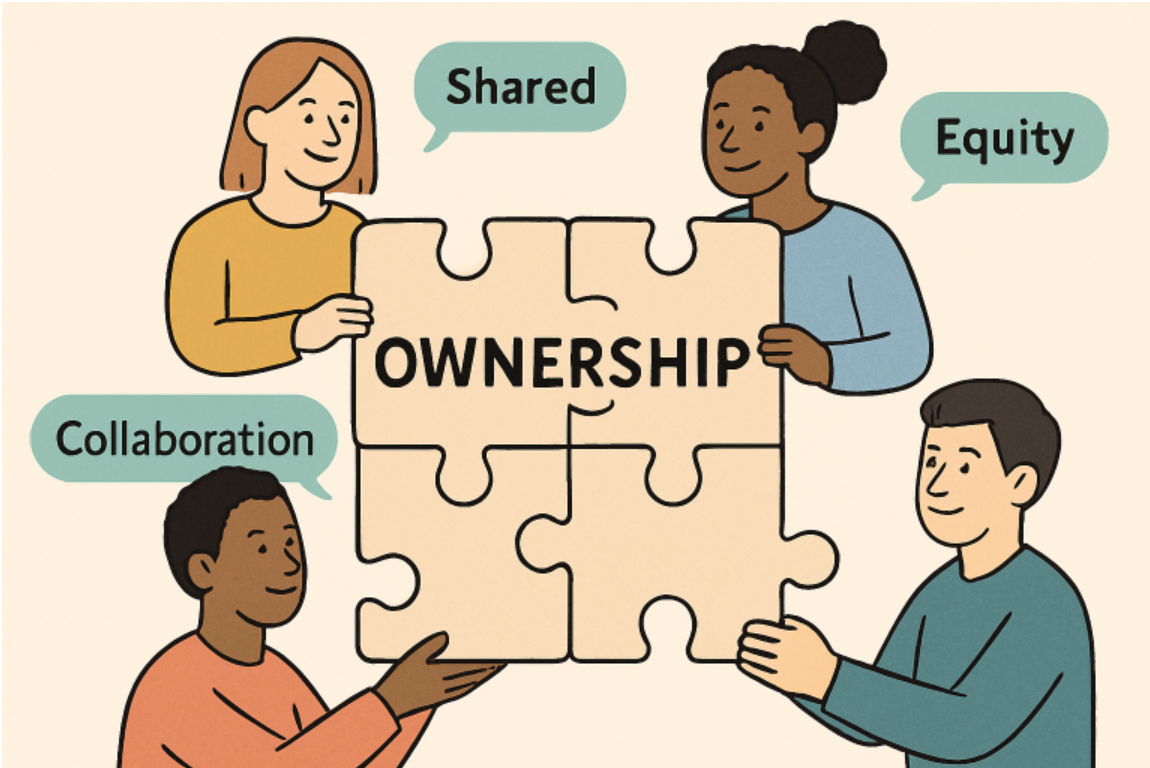
For startups and mature enterprises alike, equity planning can provide much-needed agility, enabling them to reallocate ownership as the company grows, transitions, or undergoes major strategic shifts. By embedding flexibility and responsiveness, companies can adapt their compensation strategy as business goals evolve, ensuring ongoing alignment between stakeholders.
Benefits of Equity Planning
- Enhanced Employee Motivation: Linking compensation directly to company performance encourages greater employee investment, spurring productivity and boosting innovation. This approach, often referred to as equity participation, allows employees to share in the company’s financial upside, reinforcing a sense of ownership.
- Improved Retention Rates: Equity awards, especially those with multi-year vesting schedules, nurture loyalty, as employees are incentivized to stay and realize the full value of their grants.
- Attracting Top Talent: In fiercely competitive markets, equity plans are a significant draw for high-impact professionals seeking opportunity beyond traditional salary and benefits.
- Driving Shared Success: By cultivating a sense of ownership across the company, leaders can foster teamwork and a commitment to achieving collective milestones.
Companies with robust equity programs often see meaningful improvements in performance metrics, as equity holders are directly motivated to drive results.
Implementing Effective Equity Plans
Designing a successful equity plan is both an art and a science, requiring thoughtful analysis and clear communication. Key steps include:
- Define Clear Objectives: Start by identifying the primary goals—such as retention, performance incentives, or talent acquisition—and tailor the equity plan to achieve these outcomes.
- Choose the Right Equity Instruments: Evaluate which instruments (stock options, RSUs, ESPPs) best fit the organization’s structure, stage, and strategy.
- Establish Vesting Schedules: Set vesting periods that reward loyalty while addressing workforce stability concerns. Graduated schedules (e.g., four-year vesting with a one-year cliff) are standard.
- Communicate Transparently: Ensure employees understand the value, potential tax implications, and mechanics of their equity. Open communication builds trust and helps maximize the retention and motivational value of equity plans.
HR and leadership teams need to work closely with legal and financial advisors to navigate compliance issues, manage complex valuations, and provide ongoing employee education.
Challenges and Considerations
- Valuation Complexities: Determining fair equity value can be challenging, particularly for private companies where market comparables are less transparent.
- Regulatory Compliance: Navigating the patchwork of local, national, and international tax and reporting requirements is critical for legal viability and employee trust.
- Employee Education: Equity’s real advantage is only realized when recipients fully understand their grants, vesting, potential tax liabilities, and the growth upside. Successful companies invest extensively in educational resources and one-on-one support.
Regular plan reviews are essential, ensuring continued alignment with business priorities and responsiveness to market trends. External advisors can play a crucial role in benchmarking programs and implementing best practices.
Conclusion
Strategic equity planning stands as a cornerstone of modern business success—cultivating loyalty, driving productivity, and fueling growth. Companies that embrace thoughtful, well-communicated equity plans position themselves at the forefront of their industries, with engaged teams committed to shared achievement and innovation. By continually optimizing and educating stakeholders about equity schemes, leaders lay the groundwork for resilient, adaptive, and high-performing organizations ready to meet the future with confidence.
 Apex Backlinks