
 By Callum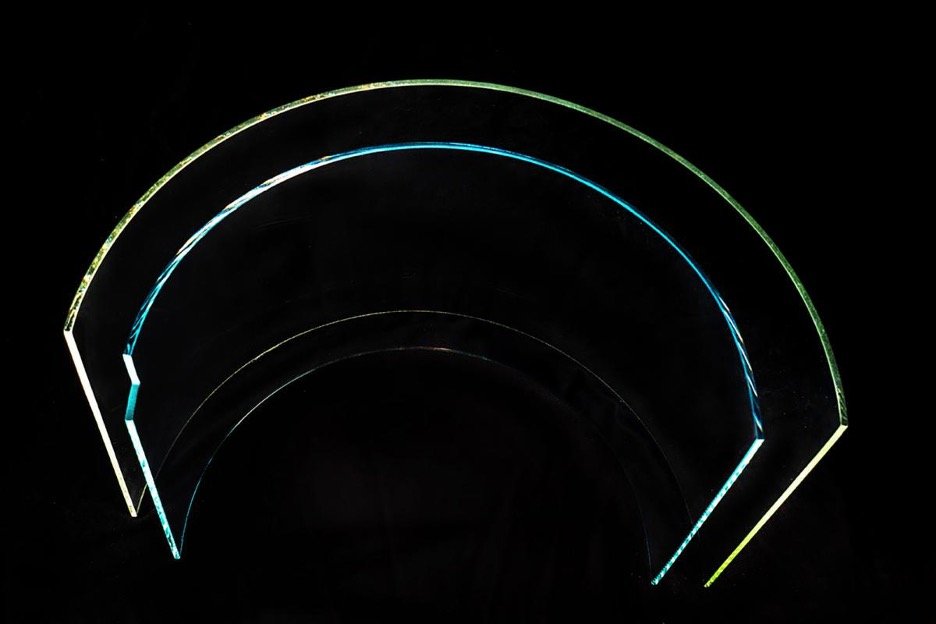
In an increasingly digital world, interactive displays are becoming essential across industries—from retail kiosks and airport check-ins to automotive dashboards and smart mirrors. A recent report by Yahoo Finance found that the interactive display market is set to surpass $96.2 billion by 2032, growing at a compound annual growth rate (CAGR) of 8.1% from 2023 to 2032. As this sector expands, the materials used to build these high-touch, high-visibility interfaces are evolving just as rapidly. At the forefront of this innovation is a once-overlooked yet increasingly critical material: bent shatterproof glass.
Known for its rare combination of durability, flexibility, and visual appeal, bent shatterproof glass is becoming the go-to choice for designers, engineers, and manufacturers looking to create sleek, future-ready display systems. Whether it’s transforming the retail experience, enhancing travel efficiency, or enabling more immersive tech environments, this advanced glass is reshaping how we see and interact with technology—safely and stylishly.
Revolutionizing Displays Across Industries
Curved, impact-resistant glass isn’t just a design trend—it’s a performance-driven necessity for many industries where form and function must coexist.
Interactive Retail Displays
Modern retail spaces now rely heavily on interactive digital displays for everything from product customization to self-checkout and brand storytelling. These systems aren’t just functional—they’re integral to creating memorable customer experiences. According to a UX case study published on Medium, 60% of customers are more likely to engage with a product when they can interact with it digitally, and stores that incorporate interactive displays see a significant increase in dwell time and product interaction.
Bent shatterproof glass plays a crucial role in making these systems both visually stunning and highly durable. Its sleek, curved form enhances user visibility and ergonomics, drawing customers in while improving readability and interface responsiveness. In high-traffic environments, where displays are subject to constant use, accidental bumps, and varying environmental conditions, bent glass ensures both longevity and safety—without compromising on design. It’s a material that turns digital displays into premium, user-centric experiences that boost both engagement and brand appeal.
Airports and Transit Hubs
In places like airports, bus terminals, and train stations, touch-enabled information displays and ticketing kiosks are under constant strain. Bent shatterproof glass ensures these systems maintain their performance while enduring heavy daily usage, environmental changes, and occasional impact. The curved design also helps prevent damage by distributing force more evenly, minimizing the risk of cracking or failure.
Automotive Showrooms and Vehicles
The automotive industry is one of the biggest adopters of bent glass technology, particularly in showrooms and new vehicle models. From curved dashboards and infotainment displays to in-car smart mirrors, shatterproof bent glass brings a futuristic feel while prioritizing driver and passenger safety. It resists chips, scratches, and sudden impact—qualities that are especially valuable in vehicles where vibration and motion are constant factors.
Built to Last: Durability in High-Usage Environments
Bent shatterproof glass is engineered to withstand more than just the occasional bump. The bent shatterproof glass on Flickinger Glassworks shows how it is specifically designed for high-usage, high-impact environments, making it ideal for public and commercial spaces. Manufactured using tempering or lamination techniques, this glass is resistant to breakage, scratches, and thermal shock. If extreme pressure is applied, it’s built to crack safely rather than shatter—protecting users from injury and devices from catastrophic damage. In settings where devices are handled by hundreds or even thousands of users a day, durability is more than a benefit—it’s a requirement. Whether integrated into a self-service kiosk or a museum touchscreen exhibit, bent shatterproof glass ensures the long-term integrity of the system it protects.
Smarter Surfaces: Anti-Glare and Anti-Smudge Coatings
Beyond its strength and form, bent shatterproof glass also supports a range of coatings and treatments that improve user experience and display performance.
- Anti-glare coatings help reduce reflections from ambient light or direct sunlight—especially important for displays used outdoors or under bright lighting in retail or airports.
- Anti-smudge and fingerprint-resistant coatings keep the glass looking clean, even after hundreds of touches. This is particularly valuable in self-service environments, where hygiene and visibility are key.
Some high-end display glass also includes oleophobic or hydrophobic coatings, which repel oils and moisture, making them easier to clean and maintain.
These enhancements don’t compromise the transparency or visual clarity of the screen—in fact, they help the technology perform better in real-world environments.
Customizable to Any Design or Display
One of the biggest advantages of bent shatterproof glass is that it can be fully customized to fit any display system. Whether you’re building a standalone kiosk, a curved wall display, or an in-car console, glass manufacturers can work with designers and engineers to craft glass that fits exact dimensions, radii, thicknesses, and functionality requirements.
Glass can be shaped using precision bending and thermal forming techniques, allowing for:
- Gentle curves or tight radii
- Specific cutouts for buttons or cameras
- Branding elements or decorative patterns
- Integration with capacitive or resistive touch sensors
Glass professionals and artisans play a crucial role in this process, working closely with tech developers and fabricators to ensure a seamless blend of design and performance. With the right collaboration, it’s possible to create display surfaces that are not only durable and high-performing but also uniquely styled to match the brand or user experience.
The Future of Display Glass Innovation
As technology continues to evolve, bent shatterproof glass is expected to play an even bigger role in future display applications. With trends moving toward flexible OLED screens, smart environments, and immersive digital experiences, curved, durable glass will remain a core component of interactive display design.
Emerging innovations may include:
- Smart glass integration for variable tinting or transparency
- Embedded sensors for touchless or biometric interactions
- More sustainable manufacturing processes for greener tech development
The demand for stronger, sleeker, and more adaptable surfaces will only grow—and bent shatterproof glass is uniquely positioned to meet those needs.
Conclusion: Shaping the Future of Interaction
Bent shatterproof glass is more than just a safety upgrade—it’s a game-changing material for next-generation displays. Whether it’s helping customers customize shoes at a retail kiosk, guiding travelers through an airport, or delivering seamless infotainment in a luxury car, this glass brings strength, elegance, and functionality together in one innovative package.
As industries look to build more interactive, durable, and visually compelling experiences, bent shatterproof glass will continue to shape the way we see and interact with technology. For more on the latest trends, we have plenty more at IT Shifting.