
 By Callum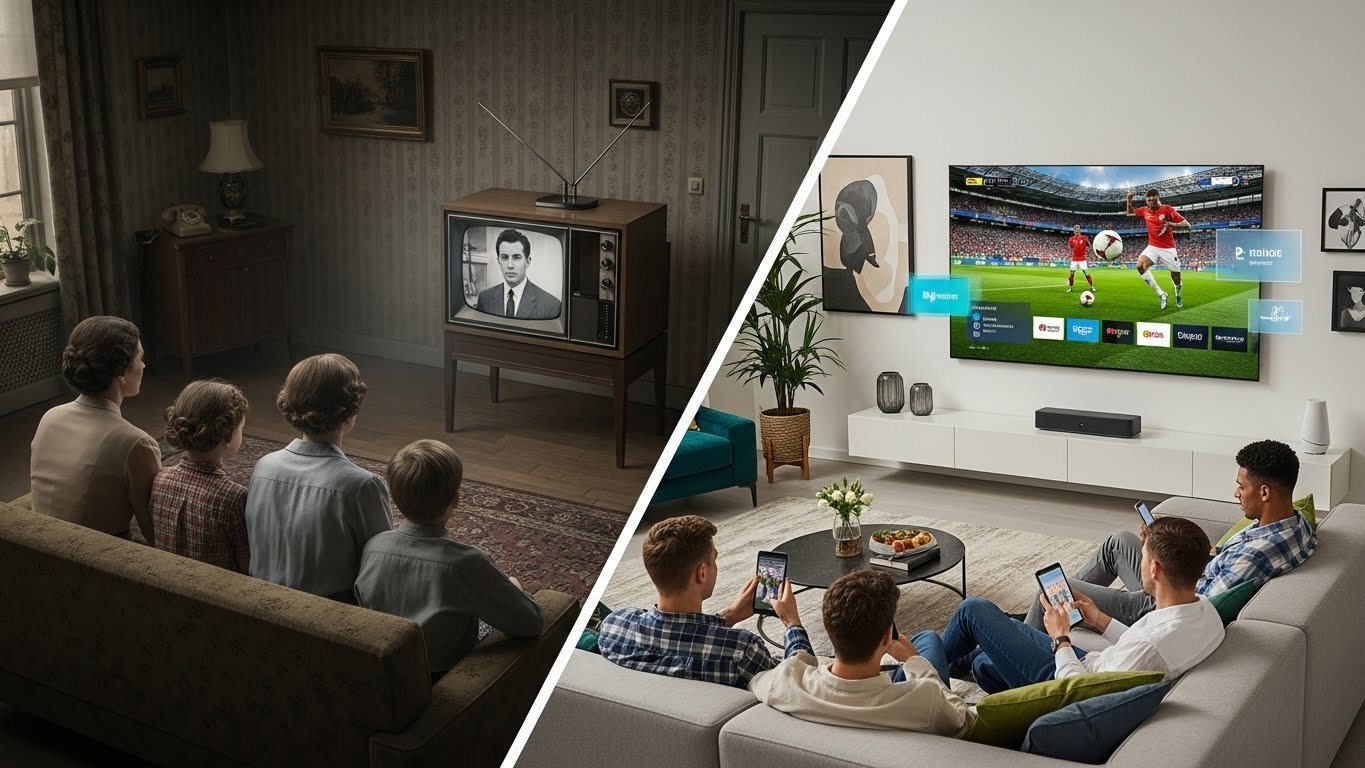
Television in Europe is going through one of its biggest transformations in decades. What was once defined by fixed schedules, national broadcasters, and traditional TV packages is now being reshaped by streaming, changing viewer behavior, and modern technology.
Across the continent, audiences are moving away from rigid viewing models and toward more flexible, internet-based ways of watching content.
This transformation is not happening overnight, nor is it identical in every country. However, when looking at Europe as a whole especially markets like France and the UK—the direction is clear.
Television is no longer something people plan their day around. Instead, it has become something that fits naturally into everyday life.
Traditional Television in Europe: How Things Used to Work
For many years, European television followed a predictable structure. Viewers relied on national broadcasters, cable networks, or satellite services. Programming was scheduled, and missing a show often meant waiting for a rerun—if one was available at all.
This system worked well when viewing options were limited. Families gathered around one TV, usually in the evening, and watched the same programs together. But as lifestyles changed, this model began to feel restrictive.
Long-term contracts, limited channel flexibility, and fixed schedules slowly became sources of frustration. Traditional TV struggled to adapt to households where people watched content at different times, on different devices, and often alone rather than together.
The Rise of Streaming Across Europe
Streaming emerged as a response to these limitations. Instead of relying on broadcast schedules, viewers gained the ability to choose what they watch and when they watch it. Over time, this shift became less about convenience and more about expectation.
Across Europe, streaming adoption has been driven by several shared factors:
- Improved internet infrastructure
- Widespread use of Smart TVs and streaming devices
- A cultural move toward on-demand content
Streaming also removed geographic and device limitations. Content was no longer tied to a single television or location, which made viewing more personal and adaptable.
France and the Changing Viewing Experience
France offers a strong example of how European viewing habits are evolving. French audiences have shown growing interest in flexibility, especially when it comes to accessing content outside traditional broadcast schedules.
Viewers increasingly prefer:
- On-demand access rather than fixed programming
- The ability to watch content across multiple devices
- A mix of local, international, and multilingual content
Streaming aligns well with these expectations because it allows viewers to move away from rigid TV formats without losing access to live channels or popular programs. In discussions about how French television habits are changing, services like la version française de Flixtele are often referenced as examples of how internet-based TV fits into modern viewing patterns in France.
This shift does not mean traditional TV has disappeared, but it is no longer the center of the viewing experience.
Technology as the Engine of Change
Technology plays a major role in the transformation of television across Europe. Faster broadband connections, better compression technology, and smarter devices have removed many of the barriers that once made streaming unreliable.
Today, most European households can stream high-quality content with minimal interruption. HD and 4K viewing are no longer limited to premium cable packages. As performance improves, trust in streaming grows.
This technical reliability has encouraged more viewers to rely on streaming as their primary way to watch TV, rather than keeping it as a secondary option.
Viewer Behavior: A Cultural Shift, Not Just a Technical One
While technology enables change, viewer behavior drives it. European audiences have become less willing to adjust their schedules around television. Instead, they expect TV to adapt to their routines.
This shift is especially noticeable in:
- Younger audiences who grew up with on-demand media
- Urban households with multiple devices
- Viewers who watch content in shorter, more frequent sessions
Traditional television, built around long viewing blocks and fixed schedules, struggles to meet these expectations. Streaming, by contrast, feels natural and intuitive.
How Europe’s TV Transformation Differs by Country
Although the overall trend is shared, each country approaches the transition differently. Cultural habits, media history, and infrastructure all influence how viewers adopt new viewing models.
France, for example, places strong value on content diversity and accessibility. The UK, on the other hand, has a long history of experimenting with alternative TV delivery methods, which has shaped its streaming adoption differently.
Understanding these differences helps explain why Europe’s TV transformation is not uniform, even though the direction is the same.
The UK’s Role in Europe’s Television Evolution
The UK has often been an early adopter when it comes to changing TV habits. Viewers have shown a strong willingness to move away from traditional packages in favor of more flexible options.
UK audiences tend to prioritize:
- Ease of access
- Clear pricing
- Compatibility across multiple devices
Sports and live events remain important, but viewers increasingly expect to access them through internet-based platforms rather than fixed TV subscriptions.
In discussions about how UK television habits are evolving, platforms such as la version UK de Flixtele are frequently mentioned as examples of how streaming aligns with the expectations of modern UK viewers. These references are not about promotion, but about understanding how streaming fits into the broader shift happening across the country.
Comparing France and the UK: Different Paths, Shared Direction
While France and the UK differ in how they arrived here, both are moving toward the same destination.
France
- Strong focus on multilingual and international content
- Growing preference for flexible viewing
- Streaming seen as a complement that is becoming primary
UK
- Long familiarity with alternatives to traditional TV
- Convenience-driven adoption
- Streaming viewed as a natural upgrade
Despite these differences, both markets reflect a broader European movement away from rigid TV models.
Is Traditional Television Losing Its Central Role?
Traditional television is not disappearing, but its role is changing. Instead of being the default way people watch content, it is becoming one option among many.
Broadcasters across Europe are adapting by offering on-demand platforms and hybrid models. However, these changes often follow trends set by streaming rather than leading them.
The center of television is shifting—from broadcasters to viewers.
What This Transformation Means for European Audiences
For viewers, the transformation of television brings several benefits:
- Greater control over viewing choices
- Access to a wider range of content
- Freedom from long-term commitments
Television is no longer something that dictates how people spend their time. It has become something that fits into their lives, on their terms.
The Future of Television in Europe
Looking ahead, streaming-first households are likely to become the norm across Europe. As technology continues to improve and expectations continue to shift, traditional TV will play a smaller role in everyday viewing.
The future of European television is flexible, internet-driven, and shaped by user choice rather than broadcast schedules.
Conclusion: Redefining Television in Europe
The transformation of television in Europe reflects a deeper change in how people consume media. France and the UK show that while the journey may differ, the outcome is the same: viewers want freedom, flexibility, and control.
Television is no longer defined by where or when it is watched. It is defined by how well it adapts to modern life.
And across Europe, that transformation is already well underway.