
 By Callum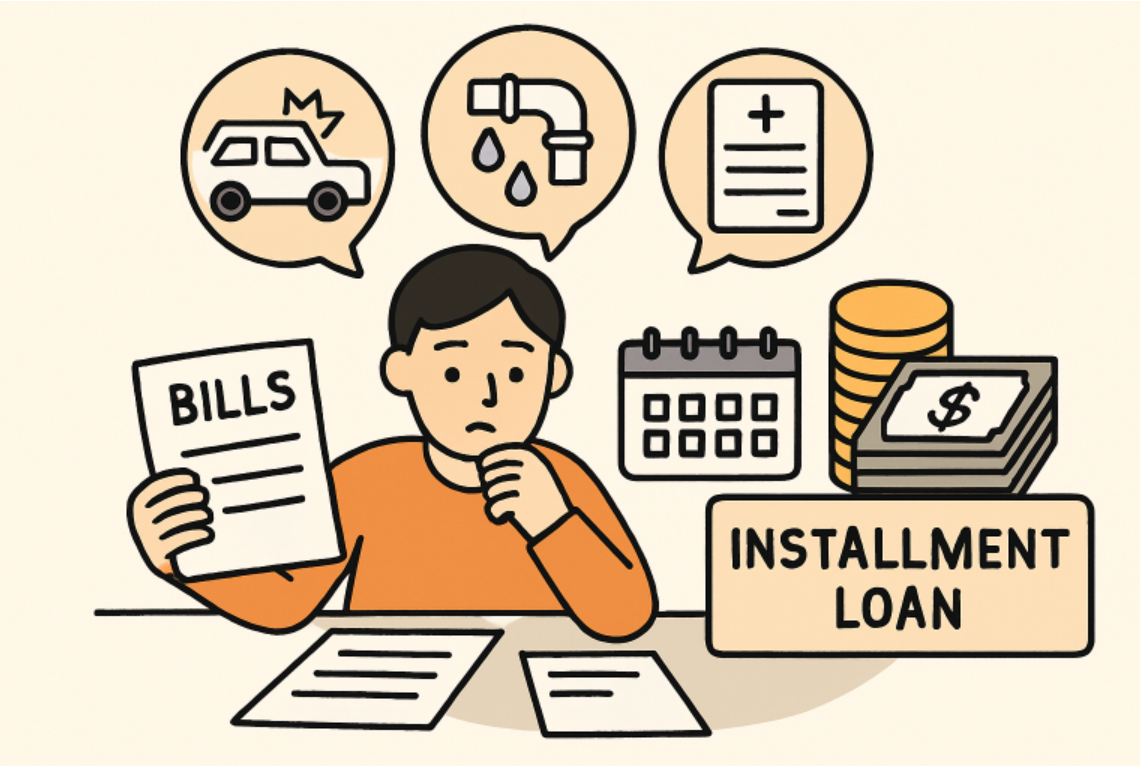
Unexpected expenses can disrupt even the most carefully managed budget, leaving individuals scrambling for immediate financial solutions. Flexible installment loans offer a practical, structured way to address these unforeseen costs, allowing repayment in manageable chunks over time. Options such as MaxLend loans allow borrowers to access funds with straightforward terms, making it easier to address emergencies without upending long-term financial plans.
Whether it’s a sudden medical bill, an urgent car repair, or a necessary home fix, these expenses can put pressure on your finances almost overnight. Having access to a tool that lets you control repayments can make a significant difference. Instead of relying on high-interest or short-term solutions that may worsen financial stress, installment loans offer predictability and peace of mind.
Understanding Flexible Installment Loans
Flexible installment loans are a form of personal loan in which borrowers receive a lump sum and agree to repay it over a set period through fixed payments. These can be secured or unsecured loans, depending on the lender’s requirements and the borrower’s credentials. Typical uses include not only covering emergency expenses but also financing larger purchases or consolidating debt. Investopedia explains this clearly, highlighting how fixed repayment structures support better planning.
What sets installment loans apart is the predictability they offer: fixed schedules mean borrowers know precisely when the debt will be paid off, and at what cost. This provides a sense of financial control many borrowers appreciate, since there are no surprise rate hikes or shifting minimum payments. As a result, installment loans appeal to those who prefer structure and straightforward repayment terms, especially when compared to the more variable payments associated with credit cards or revolving lines of credit.
Everyday Unexpected Expenses and Their Impact
Everyone faces surprise costs at some point: medical emergencies, dental procedures, accidents, appliance breakdowns, and urgent home repairs are just a few examples. For drivers, car repairs and maintenance can arise at the worst possible moment. According to recent industry surveys, over half of Americans express concern about affording unexpected bills, especially as economic uncertainty rises and living costs climb.
The inability to handle these expenses out of pocket often forces individuals to seek outside help, risking high-interest debt or delaying critical repairs—which can lead to even greater costs later.
Benefits of Using Installment Loans for Emergencies
- Predictable Payments: With fixed monthly installments, borrowers can plan their budgets with precision and avoid surprises.
- Fast Access: Many lenders, both online and in person, approve applications quickly and release funds within one or two business days, which is crucial when timing matters.
- Variety of Terms: Repayment periods can range from a few months to several years, allowing borrowers to select terms that fit their income and cash flow.
Overall, installment loans deliver a safer alternative to high-interest products or putting significant expenses on a credit card, where minimum payments may not reduce the principal quickly.
How to Choose the Right Installment Loan
- Define Your Needs: Borrow only what is required—adding unnecessary funds increases your debt load and cost.
- Shop Around: Compare lenders’ interest rates, repayment terms, and customer service ratings. A simple online search can reveal user experiences and cost breakdowns on reputable financial sites, and when you apply online, you can immediately review loan offers side by side to ensure the terms match your budget and repayment ability. Consistent comparison not only keeps borrowing costs reasonable but also helps you avoid lenders with hidden fees or unclear service policies.
- Examine Loan Details: Read the whole contract, including fine print, to spot fees, penalties, or balloon payments that may not be obvious upfront.
Potential Risks and How to Mitigate Them
- Overborrowing: Only borrow the amount you truly need to minimize unnecessary debt and interest.
- Interest Cost: Even moderate rates can add up; select the shortest repayment term you can manage to reduce total interest paid.
- Credit Consequences: Timely payments can improve your credit, but late or missed payments will lower your score and potentially increase future borrowing costs.
Tips for Responsible Borrowing
- Stick to a Budget: List your monthly commitments, including the new loan payment, and cut discretionary spending if needed to make room.
- Automate Your Payments: Set up automatic withdrawals to avoid late fees and maintain a healthy credit score.
- Monitor Your Credit Report: Regularly check your credit report to catch errors or fraud and track the impact of your repayment activity over time.
Building an Emergency Fund for Future Stability
While installment loans can cover today’s surprises, building an emergency fund is the ultimate way to protect yourself from financial shocks tomorrow. Most experts recommend saving three to six months’ worth of essential living expenses in a dedicated account. This safety net helps avoid borrowing for minor emergencies and provides peace of mind during uncertain times. Start small if necessary, but make regular contributions part of your financial routine.
Flexible installment loans, when used wisely, can help maintain financial stability during unexpected events. By weighing options carefully, borrowing responsibly, and investing time in financial preparedness, individuals can conquer unplanned expenses while protecting their financial future.