
 By Callum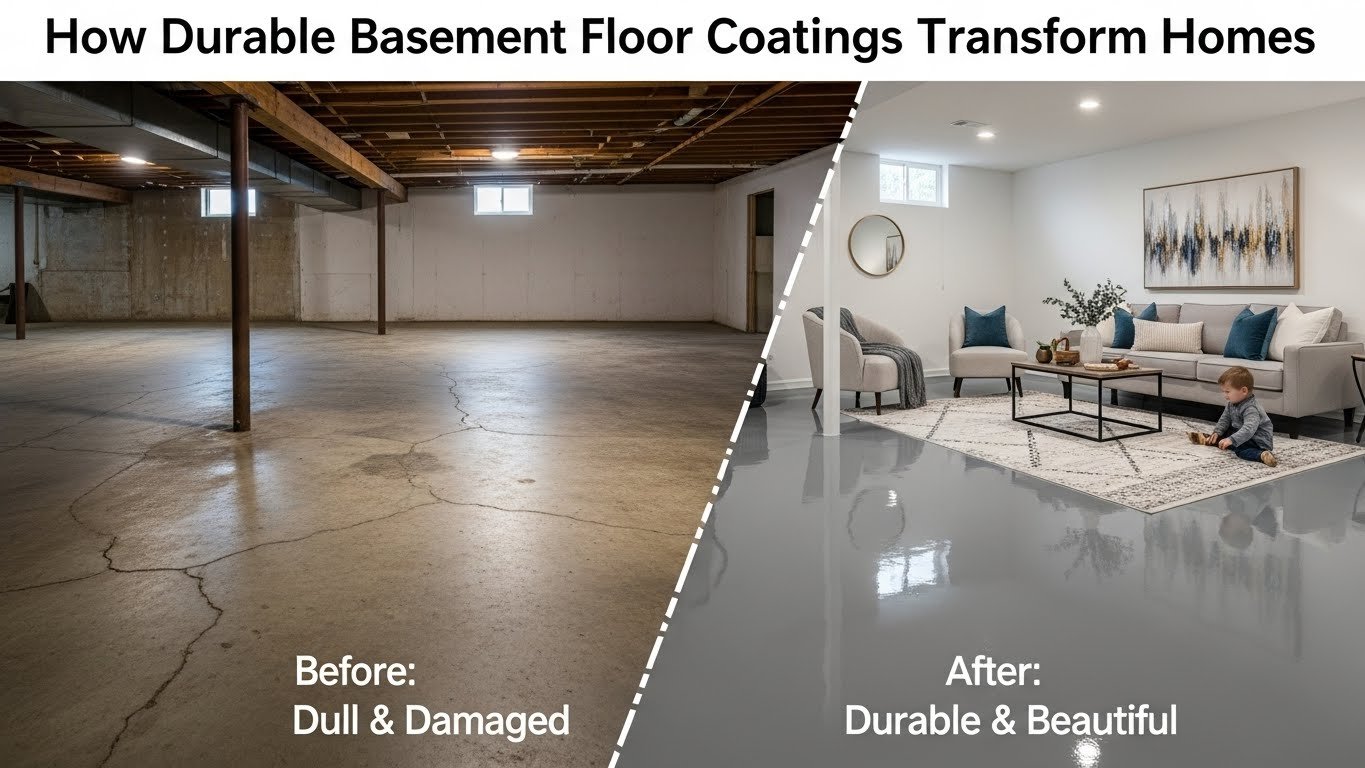
Basements are invaluable spaces in any home, providing options for storage, recreation, or even an extra bedroom. Unfortunately, their underground location exposes them to moisture-related concerns, cracking, and long-term wear. For homeowners looking to maximize the beauty and utility of their basements, basement floor coatings offer a practical and attractive solution for transforming the space.
Without a protective barrier, basement concrete floors are vulnerable to water seepage and unsightly deterioration. Floor coatings address these challenges by sealing out moisture, preventing dust from spreading, and providing a visually appealing surface that withstands daily use. This transformation doesn’t just add resilience to the floor—it makes the basement a more comfortable and enjoyable extension of the home.
These modern coatings are formulated for exceptional durability and design flexibility. Whether your goal is to create an inviting home gym, a playroom, or a bright laundry space, the right finish can elevate both aesthetics and performance. With professional installation, a coated basement floor means less worry over mold, stains, or yearly patching projects.
For homeowners considering a stylish, easy-to-maintain solution, learning more about the different types of coatings and their unique benefits is a valuable first step. This guide explores everything from the science behind these coatings to practical advice on installation and upkeep.
If you’re interested in a popular choice that combines durability with design variety, consider this helpful overview of epoxy floor coating options for basements.
Why Choose Durable Floor Coatings?
The basement environment presents unique challenges: unchecked moisture can seep through bare concrete, spawning mold and gradual degradation. A tough, professionally applied epoxy floor coating basement solution forms a durable barrier against water and humidity, helping prevent mold growth and preserving the structural integrity of your home. This upfront investment can halt the cycle of repairs, repaints, and cleaning associated with unfinished basement floors.
Beyond protection, these coatings can dramatically improve the usability of the basement. A clean, smooth surface makes the room suitable for almost any activity, and a variety of color and texture choices means your basement can finally feel as welcoming as the rest of your house.
Types of Basement Floor Coatings
Choosing the right coating depends on your primary concerns—be they durability, fast installation, or enhanced design. The leading options include:
- Epoxy Coatings: Renowned for formidable strength, chemical resistance, and decorative flexibility.
- Polyaspartic Coatings: Loved for their rapid curing (often walkable within a day) and superior UV stability, which prevents discoloration.
- Polyurethane Coatings: Popular for their impact resistance and flexible surface, reducing cracking due to temperature changes.
Each type brings performance advantages to address a range of basement flooring challenges. For further comparison, The Spruce offers an excellent overview of garage and basement floor coatings that can help clarify your best option.
Benefits of Epoxy Coatings
Epoxy floors remain a top pick for transforming basements, especially when toughness and customization matter. They are highly resistant to chemical spills, stains, scuffs, and abrasions. Family activities, storage needs, and home exercise areas all benefit from a floor that stands up to wear while remaining easy to sanitize and maintain. Epoxy coatings are also available in a wide array of colors, flakes, and finishes—so your basement’s appearance can be as simple or as vibrant as your imagination allows.
Another major benefit is their seamless, non-porous nature, which makes cleaning easy and helps limit dust and allergens. This proactive approach not only extends the lifespan of your flooring but also improves indoor air quality throughout your home.
Advantages of Polyaspartic Coatings
Polyaspartic coatings are a newer innovation, developed as a faster and even more resilient alternative to traditional epoxies. They cure quickly, reducing downtime for your family during installation. Polyaspartics resist yellowing from sunlight, maintaining their look over time even in walk-out basements or spaces with large windows.
This technology provides a durable, long-lasting surface that stands up to both impact and abrasion and is ready for heavy use the very next day. Homeowners with busy schedules or those looking for the ultimate in fade resistance will find polyaspartic coatings an excellent investment for finished or semi-finished basements.
Installation Process
A professional floor coating begins with thorough concrete preparation. Installers will clean the surface, fill cracks, and grind the floor to promote better adhesion. Next comes a primer, followed by the chosen coating; this step is crucial for preventing bubbles and uneven textures. For extra protection, a clear topcoat is applied, sealing the system from moisture and amplifying longevity.
- Surface Preparation: Deep cleaning and repairing chips or flaws.
- Primer Application: Seals and improves the bond.
- Coating Application: Multiple layers may be used for strength and visual effect.
- Sealing: A final topcoat locks in the finish and enhances resistance to spills and scratches.
Expert installation is vital for the best results, though some advanced DIY kits are available for experienced homeowners. A recent article from Bob Vila offers additional insight into basement flooring options for those weighing professional help versus DIY projects.
Maintenance and Longevity
Once installed, a concrete floor coating is very easy to maintain. Routine sweeping and occasional mopping with a gentle, non-acidic detergent will keep the surface bright and fresh. Because these coatings are non-porous, spills can be wiped away without soaking in, preventing lasting damage from accidental leaks or basement floods.
With proper maintenance, high-quality coatings can last decades. This durability means fewer repairs and lower life cycle costs, making a good basement floor coating a wise, worry-free addition to any home.
Cost Considerations
The up-front cost of basement floor coatings is generally higher than that of simple paint or unfinished concrete—but the long-term value is unmatched. Reduced maintenance, greater longevity, and enhanced home value all factor into the equation. If you’re planning to finish or repurpose your basement, this type of upgrade can provide a return on investment through years of reliable performance and improved property appeal.
It’s important to obtain quotes from experienced specialists and compare the expected lifespan and repair needs for each type of floor coating before making a decision.
Conclusion
Durable basement floor coatings have completely redefined what homeowners can expect from their basement spaces. These upgrades go far beyond aesthetics—delivering moisture resistance, safety, and a versatile space ready for family enjoyment. By selecting a reputable product and ensuring professional installation, your basement will become a robust, attractive, and integral part of your home for years to come.
 MUNJAL BLOG