
 By Callum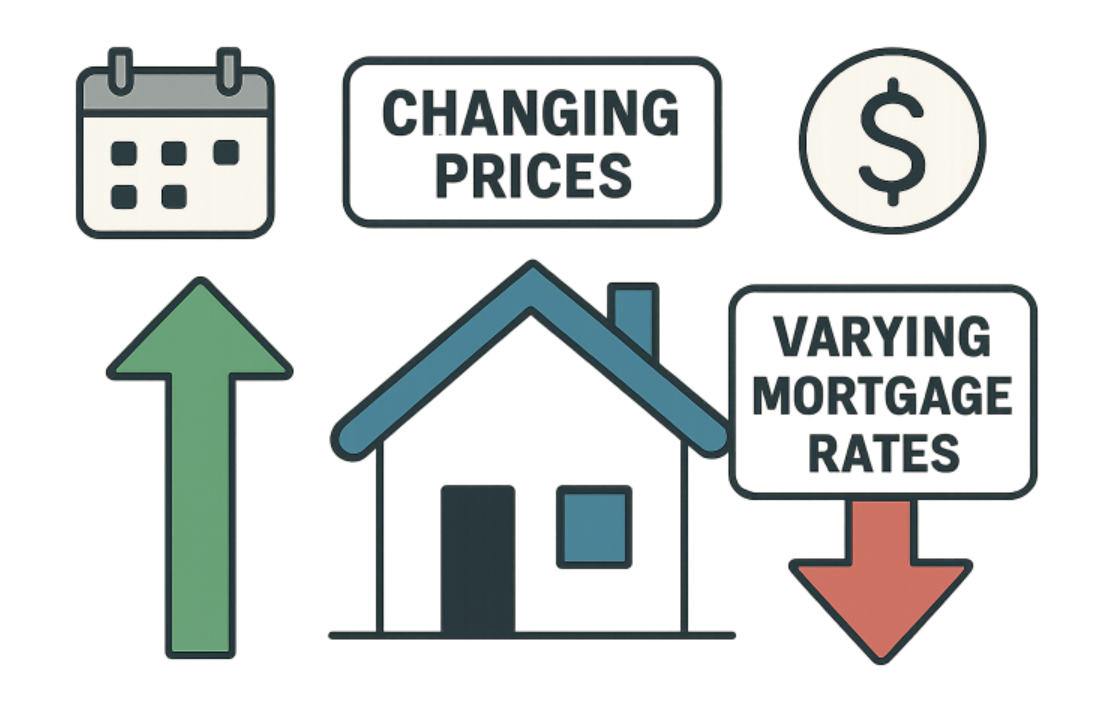
As the real estate landscape shifts in 2025 and beyond, potential homebuyers face a complex market shaped by rising prices, fluctuating mortgage rates, and limited housing inventory. Familiarity with local trends can be especially valuable when evaluating neighborhoods such as Edina, which remains a sought-after location for buyers seeking strong amenities and investment potential. For those considering a move, exploring specific market insights at https://www.henryhomebuyer.com/edina-mn/ can be a solid starting point.
The national housing market has hit notable milestones recently, including the lowest sales level in decades due to diminished affordability and limited supply. While higher mortgage rates are a significant hurdle, economic shifts and localized disparities further complicate the buying process. Staying proactive and adaptive is key as buyers contend with these uncertainties.
As market trends evolve, new opportunities and challenges appear in different metro areas. By monitoring both national and regional metrics, prospective buyers can position themselves to make informed, confident decisions—whether purchasing a first home or investing in property for long-term returns.
Homebuyers interested in leveraging experience across the greater Minneapolis area can also explore insights and services from Henry Home Buyer in Minneapolis.
Understanding Housing Market Fluctuations
The U.S. housing market is exceptionally dynamic, responding to a variety of economic and demographic forces. In 2024, home sales nationally reached their lowest point in nearly three decades, pressured by rising home prices and limited inventory. The median home price set a record at $407,500, reflecting persistent demand amid a constrained number of listings. Although there was a slight increase in available inventory—about 1.15 million homes—it remained well below what’s typically seen in a balanced market. Mortgage rates, steady at around 7%, continued to hinder buying power, significantly affecting first-time buyers and those looking to upgrade. Market experts expect these trends, particularly affordability constraints, to persist into the coming years as market corrections proceed slowly.
Impact of Mortgage Rates on Affordability
Mortgage rates have a direct, powerful influence on what buyers can afford. By April 2026, a household needed a minimum income of $114,000 to purchase a median-priced home of $431,250, including the down payment and a 30-year fixed mortgage. That figure represents a sharp jump from 2019 thresholds, when required incomes and home prices were both significantly lower. In some high-cost regions, such as San Francisco and San Jose, annual income requirements for homeownership have soared above $200,000 and $370,000, respectively. Elevated rates not only raise monthly payments but also reduce overall affordability, sometimes sidelining even well-qualified buyers for extended periods.
Inventory Levels and Their Effect on Buyers
Inventory, or the available supply of homes, shapes buyer competition and price trends. When listings are scarce, auctions and bidding wars become more common, typically favoring sellers and driving further price growth. In 2025, the market began to shift, with active listings increasing by more than 30% in April—a positive sign for buyers seeking more options. Roughly 18% of sellers reduced their asking prices as the market started to rebalance. This trend gives savvy buyers, particularly those with stable finances and flexibility, the opportunity to negotiate or secure homes at better terms. Still, the median household income remains lower than what many experts consider sustainable relative to home prices, making timely preparation critical.
Economic Indicators Influencing the Housing Market
Macroeconomic trends such as job growth, inflation rates, and consumer sentiment play an outsized role in homebuying conditions. In late 2025, mortgage rates dropped to their lowest level of the year after a disappointing jobs report, reflecting the close relationship between economic health and real estate markets. The U.S. added only 22,000 jobs in August, pushing the unemployment rate up to 4.3%. This financial uncertainty encouraged lower interest rates as lenders sought to stimulate demand, with 30-year fixed rates falling from 6.53% to 6.28%. Buyers who keep a close watch on national employment and inflation figures are often better positioned to act when favorable rates appear.
Regional Variations in Housing Markets
Housing markets can differ dramatically by region, with local supply, demand, and wage differences driving affordability gaps. In the Philadelphia metro area, a new homeowner needs to earn about $105,400 annually—around $31,000 more than a renter would typically require. Although Philadelphia is still considered more affordable than coastal metros, wage growth has not kept pace with rising housing costs, putting ownership further out of reach for many. Rising prices—up 6.5% in one year to a median of nearly $359,000—highlight the importance of examining regional trends, not just national averages, when planning a purchase. Increased apartment development has stabilized rents, yet the cost of homeownership continues to climb.
Strategies for Homebuyers in a Changing Market
- Stay Informed: Track market reports and economic updates to identify shifting conditions and emerging opportunities.
- Build Financial Strength: Maintain a high credit score and secure mortgage pre-approval to increase purchasing options and bargaining power.
- Remain Flexible: Be open to a wider range of neighborhoods, home sizes, or property types to improve chances of success.
- Leverage Expert Guidance: Partner with a reputable real estate agent who deeply understands local trends and can help negotiate favorable terms.
The Role of Government Policies
Government policies are a crucial lever in housing market dynamics. The Federal Reserve’s moves to lower interest rates in 2025 are likely to ease some financial pressure on buyers, making mortgages more accessible. However, these policy shifts tend to have a moderate impact on overall affordability, especially when supply remains limited. Despite projections for slightly lower rates—averaging 6.76% in 2025 and 6.32% in 2026—home prices are expected to continue climbing, maintaining pressure on new buyers. Meanwhile, targeted housing programs and local initiatives offer support, but long-term solutions to affordability challenges will require both policy innovation and increased construction.
Conclusion
With the housing market undergoing rapid change, buyers who stay informed and adaptable are best positioned to succeed. Understanding mortgage trends, regional variations, and the impact of policies can empower buyers to make strategic, confident decisions aligned with their goals. By preparing financially and leveraging the support of experienced professionals, today’s buyers can navigate even a challenging market landscape with success.