
 By Callum
 Fostering inclusive communities is a foundational goal for thriving societies. In recent years, creativity has served as a bridge, uniting people from diverse backgrounds through fresh perspectives and innovative strategies. From harnessing public art to inclusive leadership, adopting innovative practices enables neighborhoods, organizations, and cities to break down barriers and amplify every voice. For those navigating policy or advocacy, understanding the landscape of government relations in DC provides an essential context for achieving real inclusion on both local and national levels.
At the heart of community inclusion lies the ability to listen and respond—crafting spaces and experiences where everyone feels welcomed and valued. Creative initiatives don’t just celebrate diversity; they weave it into the fabric of public life. Whether through murals that depict a city’s diverse cultures, events that foster intergenerational participation, or digital platforms that amplify unheard voices, these approaches enhance understanding and collective belonging.
The role of inclusion transcends individual projects; it shapes the policies, spaces, and opportunities that underpin healthy communities. As neighborhoods and cities grow more diverse, integrating meaningful participation from all members is not only beneficial; it’s necessary for resilience and well-being. Through thoughtful design and intentional engagement, we unlock social, economic, and cultural vibrancy for all.
Public Art as a Tool for Inclusion
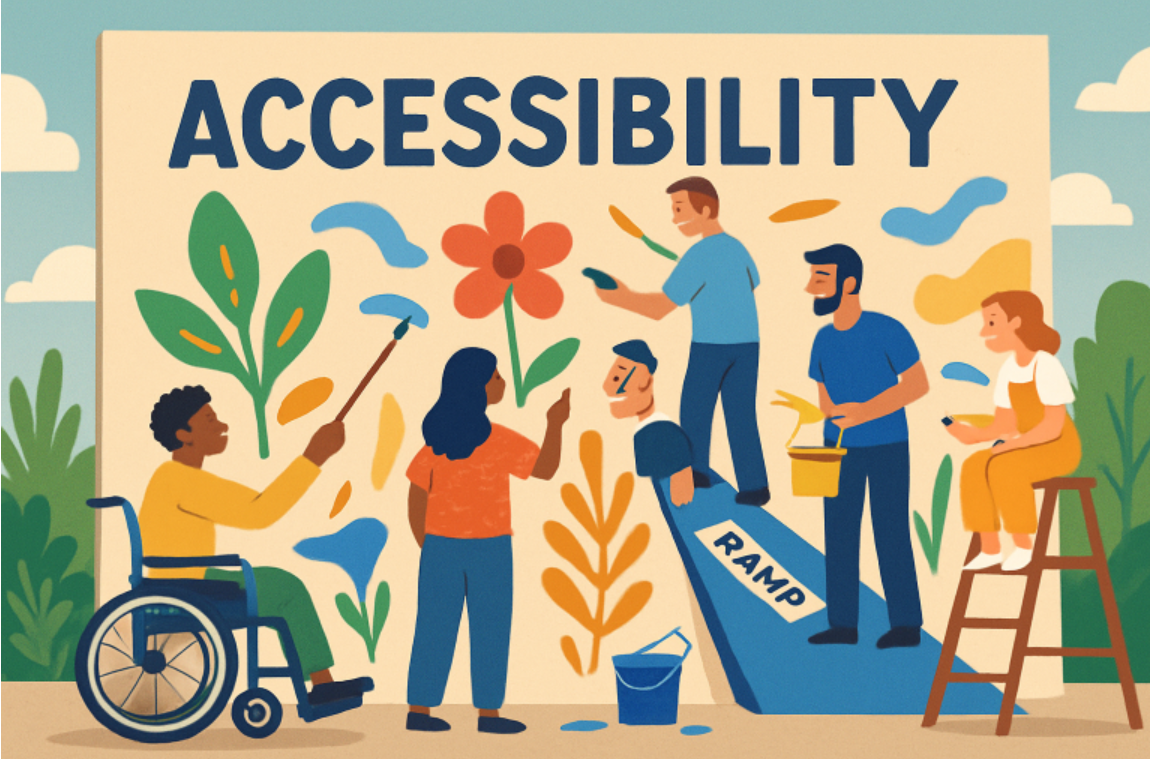
Accessible, public art projects transform urban environments into spaces of connection. By reflecting the stories, cultures, and aspirations of diverse residents, murals, sculptures, and interactive installations invite public engagement and shared ownership. The “Everyone Is Welcome” Ramp and Mural Project in Staunton is a powerful example, combining accessibility improvements with dynamic visual storytelling to make a statement that all are truly included. This holistic model encourages communities everywhere to use art as both a literal and metaphorical ramp toward inclusion.
Inclusive Community Events
Events designed for diverse participation drive meaningful connections across cultural, generational, and socioeconomic boundaries. Community-wide festivals, cultural fairs, and cross-cultural workshops foster dialogue, mutual appreciation, and opportunities for collaboration. By celebrating the unique traditions, foods, music, and histories of all residents, organizers can transform passive spectating into active sharing—creating memories and a sense of home for newcomers and long-time neighbors alike. Tips for hosting inclusive events include offering translation services, considering dietary restrictions, and involving community representatives in the planning committees.
Co-Making and Shared Spaces
Collaborative community spaces—such as makerspaces, co-working hubs, and communal gardens—invite diverse participants to work together. The CRAFT@Large initiative exemplifies how projects rooted in co-creation break down traditional hierarchies, promoting both skills development and social connection. By giving all contributors equal voice and responsibility, these settings nurture respect and trust, reshaping community dynamics in positive ways.
Storytelling and Digital Engagement
Digital storytelling provides powerful tools for amplifying marginalized voices and fostering empathy. Initiatives like the New Narratives Workshop provide safe, supportive platforms where individuals can share their own stories—challenging stereotypes and enabling others to gain a deeper understanding of lived experiences that differ from their own. Social media, podcasts, and online exhibitions provide low-barrier ways to share, listen, and build a sense of common purpose.
Accessible Design in Community Planning
Universal and accessible design principles are essential for creating public good. This approach proactively considers people with physical, sensory, or cognitive differences to ensure everyone can navigate, enjoy, and contribute to public spaces. Beyond compliance, accessible design increases use and satisfaction from all residents, reflecting a commitment to equity in practice.
Education and Capacity Building
Training, workshops, and mentorship unlock pathways for community members who have historically been excluded from participation. Structured opportunities to build skills not only boost confidence but also increase diversity among leaders and contributors. Targeted capacity-building programs ensure the sustainability of inclusion efforts, supporting both individuals and entire communities to thrive.
Inclusive Leadership and Decision-Making
True inclusion means reflecting community diversity at every level—including leadership. Encouraging those from underrepresented backgrounds to lead, shape policy, and steward resources ensures a broader range of perspectives informs every decision. This not only addresses visible and invisible barriers but also leads to fairer, more responsive systems.
Final Thoughts
The path to inclusive communities is paved with creativity, dialogue, and intentional design. By investing in collaborative spaces, celebrating local narratives, prioritizing accessibility, and diversifying leadership, we create more equitable, vibrant, and connected neighborhoods. Through these approaches, communities can ensure that every individual is recognized not just as a resident but as a valued co-creator of a shared future.