
 By Callum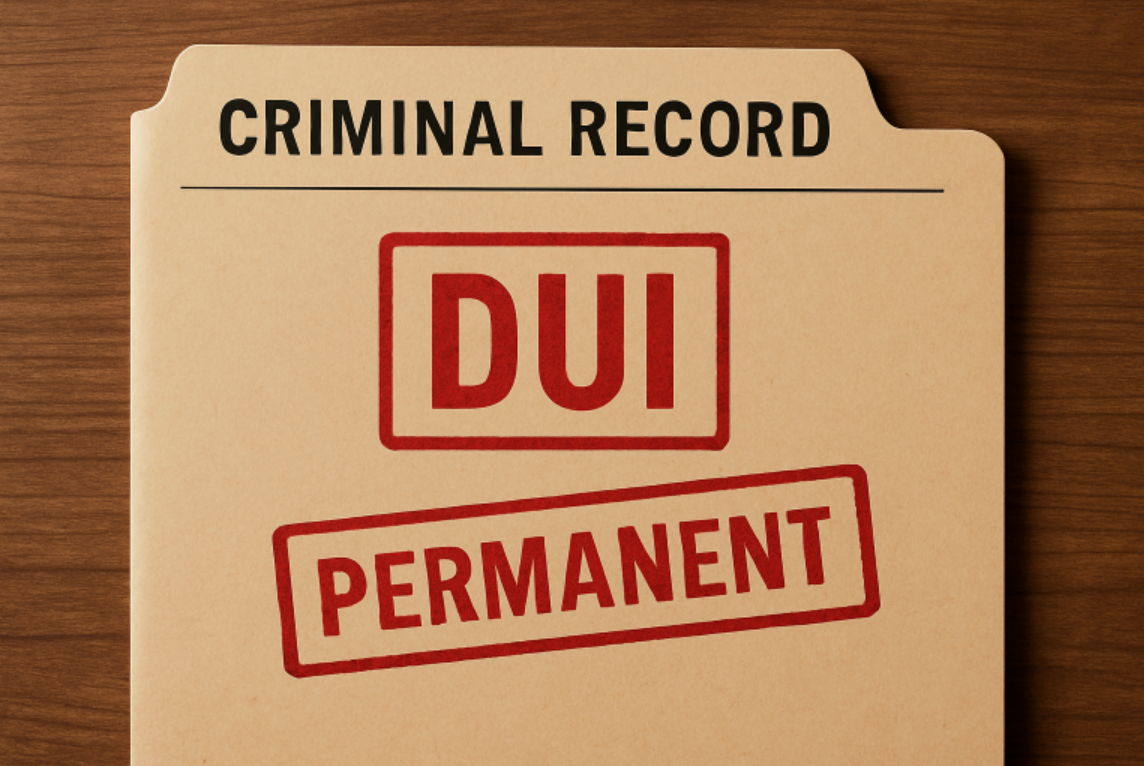
Understanding DUI Convictions in Colorado
Driving under the Influence (DUI) is treated with utmost seriousness in Colorado. Whether it is your first or a repeat offense, the consequences can affect nearly every aspect of your life. Many individuals convicted of a DUI wonder if they can ever erase this mistake from their record. For those hoping for a second chance, it’s essential to understand Colorado law and what options are available. For help navigating these challenges or for more information about DUIs and your legal options, visit martinlawfirmpc.
Colorado maintains strict laws regarding DUI charges. Penalties can include fines, license suspension, court-ordered programs, and even jail time. But one of the most lasting impacts is the effect on your criminal record. A conviction can show up in background checks for jobs, housing, and even educational opportunities.
Many states allow certain offenses to be expunged or sealed after a specified period of time. In legal terms, this is often referred to as expungement—essentially wiping the slate clean after satisfying specific requirements. In Colorado, however, the rules around DUI expungement are highly restrictive and not widely applicable.
Understanding Colorado’s approach to expungement and alternatives is key for anyone moving forward after a DUI. For further legal and procedural information, you may find resources from the Colorado Judicial Branch helpful for staying up-to-date with changes in state law and policy.
What Is Expungement?
Expungement is a legal process that allows an individual’s criminal record to be erased as if the incident never occurred. This means potential employers, landlords, and most organizations would not see the expunged conviction on background checks. Expungement is often available for less serious crimes or for individuals who committed offenses at a young age, allowing them a chance to move beyond past mistakes.
In Colorado, expungement is tightly regulated. Most adult criminal records are only eligible for expungement or sealing in limited circumstances. Unfortunately, DUI convictions do not qualify—a DUI charge—whether misdemeanor or felony—remains on your record forever. Colorado’s legislators enacted these strict policies to support public safety and ensure that DUI records are always available to courts and law enforcement agencies.
This indefinite permanence means that even a decades-old DUI can still impact employment screenings or insurance rates. For further reading about state expungement laws nationwide, see this overview by NOLO.
Exceptions for Underage Offenders
Eligibility for Expungement of Underage Drinking and Driving (UDD)
One rare exception to Colorado’s expungement law relates to Underage Drinking and Driving (UDD) convictions. If you were under 21 at the time of your offense and meet specific criteria, your UDD case may be eligible for expungement. The requirements include the following:
- The individual is now over 21 years old.
- No subsequent UDD or DUI convictions have occurred.
- The individual’s Blood Alcohol Content (BAC) was below 0.05% at the time of the offense.
Meeting all these conditions means you may qualify to have your underage conviction expunged, giving young offenders a second chance at a clean record as they enter adulthood.
Sealing Records: An Alternative?
Record sealing differs from expungement—sealed records aren’t disclosed to most employers or members of the public, but can still be accessed by law enforcement and through court orders. While sealing is an option for some non-violent or lower-level offenses in Colorado, it does not apply to DUI convictions. Attempts to seal DUI records will be denied by the courts under current state law.
For individuals convicted of other offenses, the Colorado Judicial Branch provides detailed information on the process and benefits of sealing records, including public resources on eligibility and legal procedures.
Impact of a DUI on Your Record
A DUI conviction in Colorado carries far-reaching and long-term consequences. It remains a permanent fixture on your criminal record, influencing everything from insurance premiums to background checks for employment or professional licensing. Colorado also does not have a “washout period,” so even old DUI convictions can be used to enhance penalties for new offenses.
Because a DUI remains visible and actionable indefinitely, seeking legal support and making informed decisions after a conviction is critical to protecting your future opportunities.
Steps to Take After a DUI Conviction
While you may not be able to erase a DUI from your record in Colorado, there are essential actions you can take to mitigate the impact:
- Consult a Legal Professional: Seek guidance from a DUI or criminal defense lawyer immediately to understand your options and responsibilities.
- Completing Court-Ordered Programs: Fulfilling requirements such as community service, substance abuse classes, or counseling may help prevent further penalties and demonstrate rehabilitation.
- Maintain a Clean Record: Avoid subsequent legal trouble to limit long-term consequences and prevent harsher penalties for future offenses.
- Stay Informed: DUI laws and expungement eligibility can change; regularly check reliable news outlets and legal updates to stay informed about any reform movements.
Taking responsible steps after a DUI can help limit reputational harm, improve your standing in the eyes of the court, and support your pathway to rehabilitation.
Conclusion
Colorado’s laws do not currently allow expungement or sealing of adult DUI convictions, making it essential for anyone with a DUI charge to understand their legal position and long-term options fully. Consulting qualified legal professionals can help you address the real-world impacts of a DUI and prepare for any possible changes in the law that may benefit your case in the future.